How a Paver Patio Holds Up in a Climate That Rains Nine Months a Year in Renton, WA
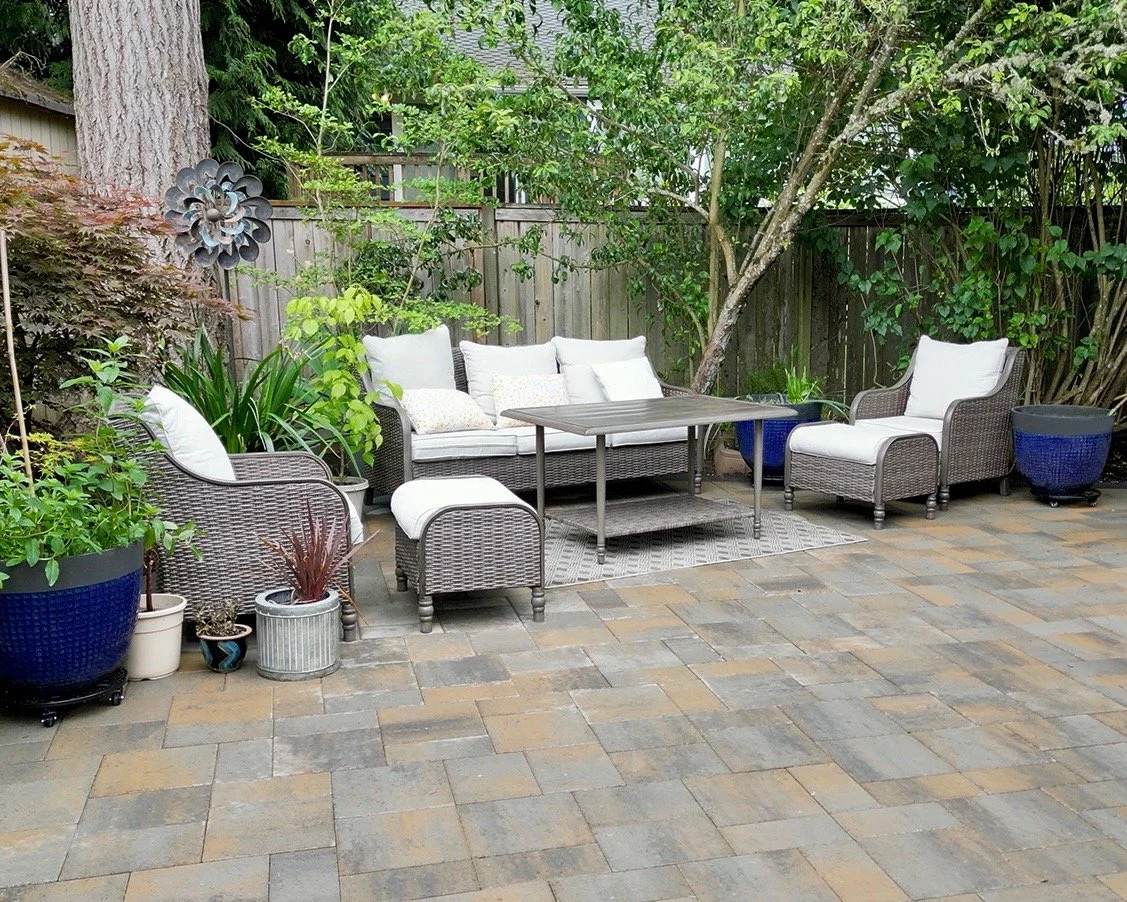
The Pacific Northwest does not test a patio with extreme heat or deep frost. It tests it with water. Persistent, consistent, nine months of water. Rain that starts in October and barely pauses until June. Ground saturation that lasts for weeks. And the moss, algae, and organic growth that thrive on any surface that stays damp long enough to support them.
A paver patio built for this climate has to manage water as a constant condition, not an occasional event. The base has to drain. The joints have to resist organic infiltration. The surface has to stay safe underfoot when wet. And the system as a whole has to perform in conditions that would compromise a patio designed for a drier region.
Related: Best Patio Materials for Rainy Seattle: Rated for Slip Resistance, Drainage & Style in Seattle, WA
What the Pacific Northwest Climate Demands From the Build
The rain is the primary design constraint. But the secondary constraints, the soil type, the moss pressure, and the freeze thaw potential at elevation, all influence the build.
A paver patio in the greater Seattle area requires:
A compacted aggregate base deep enough to provide drainage beneath the paver surface, preventing the water table from saturating the bedding layer and destabilizing the pavers from below
Grading that directs water off the surface at a minimum one percent slope, because water that pools on a paver patio in this climate does not evaporate the way it does in a dry region. It sits.
Polymeric sand in the joints rather than standard sand, because polymeric sand resists the organic growth that standard sand allows and prevents the weed and moss infiltration that would otherwise colonize every joint within a season
A surface texture that provides slip resistance when wet, because the patio will be wet more often than it is dry and a smooth surface becomes hazardous when covered in a film of moisture and organic material
Edge restraint that prevents lateral movement, particularly important on properties where the surrounding soil stays saturated and provides less lateral support than compacted, well drained soil would
These specifications are not upgrades. They are the baseline for a paver patio that performs in this climate rather than developing the settling, the moss, and the drainage problems that improperly built patios show within the first rainy season.
Related: Outdoor Living Spaces Seattle Homeowners Love: Design Ideas for Every Budget
How the Patio Connects to the Landscape
The patio is the foundation of the outdoor space. In the Pacific Northwest, where the outdoor season is compressed into the dry months, the patio needs to function efficiently when it is being used and hold up gracefully when it is not.
The connection to the house should feel clean and intentional. The transition to the lawn or the planting beds should be defined by edge detail and grade separation. And the surrounding plantings should be selected for the moisture conditions rather than fighting them, using Pacific Northwest natives and adapted species that thrive in the climate the patio was designed to handle.
The Patio That Earns the Dry Months
When July arrives and the rain finally pauses, the patio should be ready. Level, clean, well-drained, and solid underfoot. The homeowner should not be pressure washing moss out of the joints or correcting pavers that shifted during the wet season. The patio should be waiting for the family, not waiting for repairs. That readiness is what the right build delivers. A conversation about the base, the drainage, and the materials is where it begins.
Related: Landscape Design Services Cost in Seattle, WA: Honest Pricing Breakdowns by Project Type