The Complete Guide to Working with a Landscape Designer in the Seattle Metropolitan Area
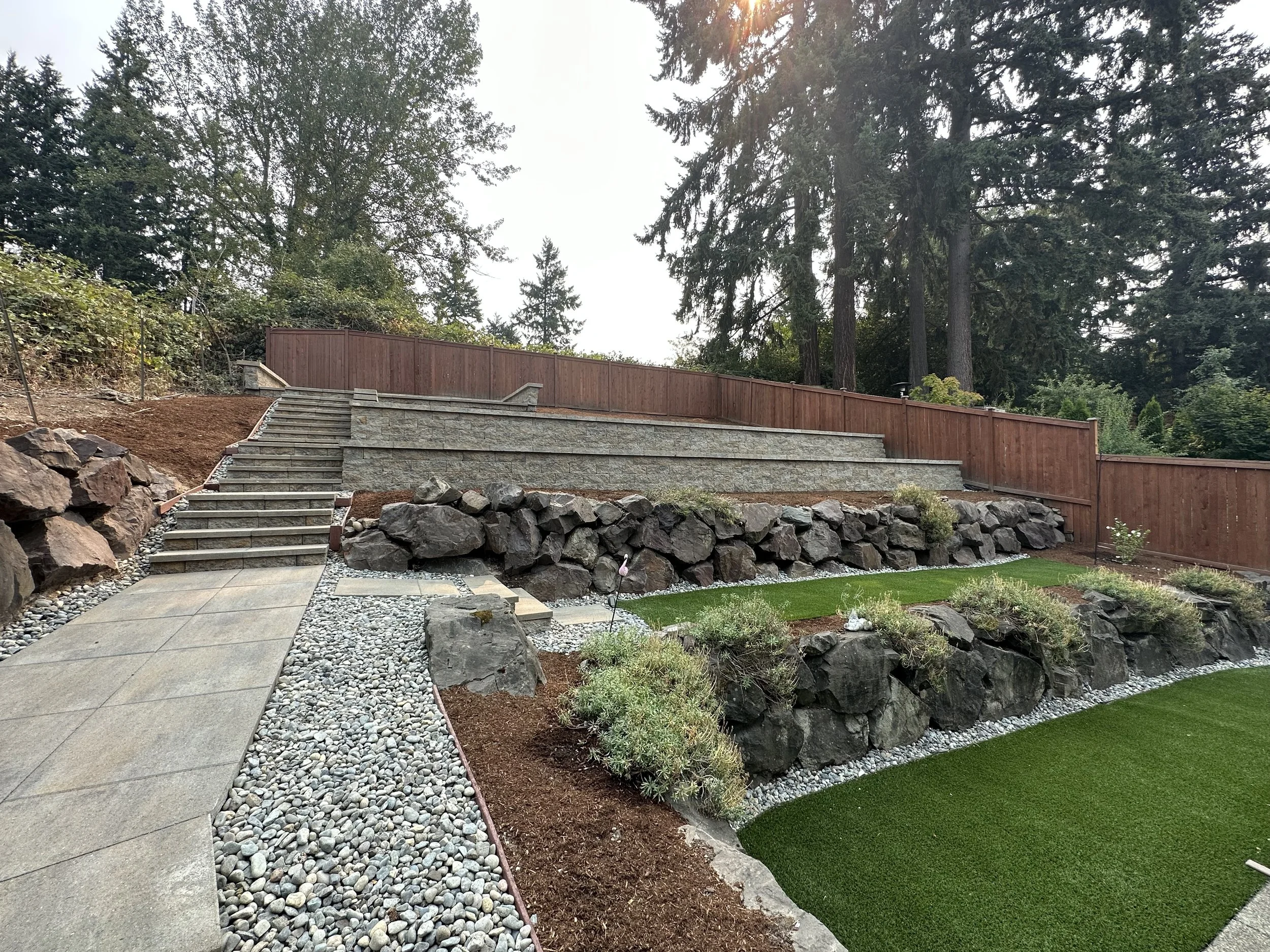
Working with a landscape designer in the Seattle metropolitan area requires a clear understanding of how climate, terrain, and property layout shape every decision. As a landscape designer, we approach each project with a focus on long-term performance, not quick visual impact. Our area brings steady rainfall, varied elevations, and dense urban spacing, which means every installation and construction detail must be intentional from the start.
Related: 7 Ways That Our Landscape Designers in Clyde Hill and Redmond, WA, Improve Backyard Flow
How a Landscape Designer Plans for Climate and Soil
A landscape designer begins by evaluating drainage patterns, soil composition, and sun exposure. Our area’s consistent moisture levels demand proper grading and material selection to prevent water buildup and erosion. We prioritize permeable pavers for patios and walkways to manage runoff effectively while maintaining a clean, structured appearance.
Plantings must align with the local hardiness zone, typically USDA Zone 8b. We install evergreen shrubs, ornamental grasses, and structured plantings that hold their form year-round. Seasonal blooms still play a role, but they must integrate into a framework that performs through wet winters and mild summers. Ignoring these conditions leads to underperforming landscapes and unnecessary rework.
Structural Elements That Define the Space
A landscape designer focuses heavily on structural elements because they establish how the space functions. Retaining wall construction is common due to elevation changes, and these walls must handle both soil pressure and drainage. We often use natural stone or engineered block systems to ensure durability and consistency.
Patio construction with pavers or natural stone creates defined gathering areas that hold up against moisture. Walkways guide movement across the property and connect key zones without disrupting flow. Outdoor lighting installation enhances visibility and highlights architectural features without overpowering the landscape.
Each element must work together. Random additions create a disjointed layout, while a coordinated plan ensures the entire space feels intentional.
Plantings and Layout Strategy
A landscape designer does not place plantings randomly. We structure planting beds with layers—foundation plantings, mid-level shrubs, and seasonal blooms—to create depth and consistency. This approach ensures the landscape looks complete immediately and continues to mature properly over time.
Privacy often drives planting decisions. We install hedges and screening plantings to define boundaries without relying on fencing alone. Turf alternatives, including artificial turf installation, provide clean surfaces in areas where natural grass struggles due to shade or drainage.
Spacing matters. Overcrowded plantings lead to long-term issues, while under-planned layouts feel incomplete. We balance growth patterns with the intended final look from day one.
Related: Expert Landscaping in Bellevue, WA, with North East Landscaping Services
Integrating Outdoor Living Features
A landscape designer must think beyond plantings and consider how the space will be used. Fire pit construction, outdoor kitchen installation, and seating areas all require careful placement relative to the home and surrounding features.
We design patios and gathering spaces to feel connected, not isolated. Traffic flow between walkways, seating areas, and entry points must remain smooth. Poor layout forces awkward movement and limits usability.
Outdoor lighting installation plays a critical role here. It extends usability into the evening while emphasizing key features like natural stone patios or retaining walls. Lighting should support the design, not dominate it.
The Role of Design and Planning
A landscape designer relies on detailed planning before any work begins. We use 3D design tools to map out layouts, elevations, and material selections so every element aligns before construction starts. This eliminates guesswork and ensures the final result matches the intended design.
Skipping this step leads to inconsistent results and costly adjustments. A structured design process allows us to coordinate plantings, structural elements, and lighting into a cohesive plan.
We also account for how the space evolves. Growth rates, material aging, and seasonal changes all factor into the design. A strong plan considers not just the initial installation but how the landscape performs over time.
Common Mistakes a Landscape Designer Avoids
A landscape designer avoids overcomplicating layouts. Too many competing features create visual clutter and reduce functionality. We focus on a clear structure with defined zones and purposeful transitions.
Another issue is ignoring drainage. Without proper planning, water collects in low points and damages both plantings and structural elements. Every project must include grading and drainage solutions from the beginning.
Material inconsistency also weakens the design. Mixing too many finishes disrupts the overall look. We select materials that complement each other and maintain consistency across patios, walkways, and retaining walls.
Finally, poor scaling undermines the entire project. Features that are too large or too small for the space feel out of place. A landscape designer ensures every element fits proportionally within the property.
Related: Outdoor Living, Refined: Paver Patios That Bring the Indoors Out in Clyde Hill & Seattle, WA