
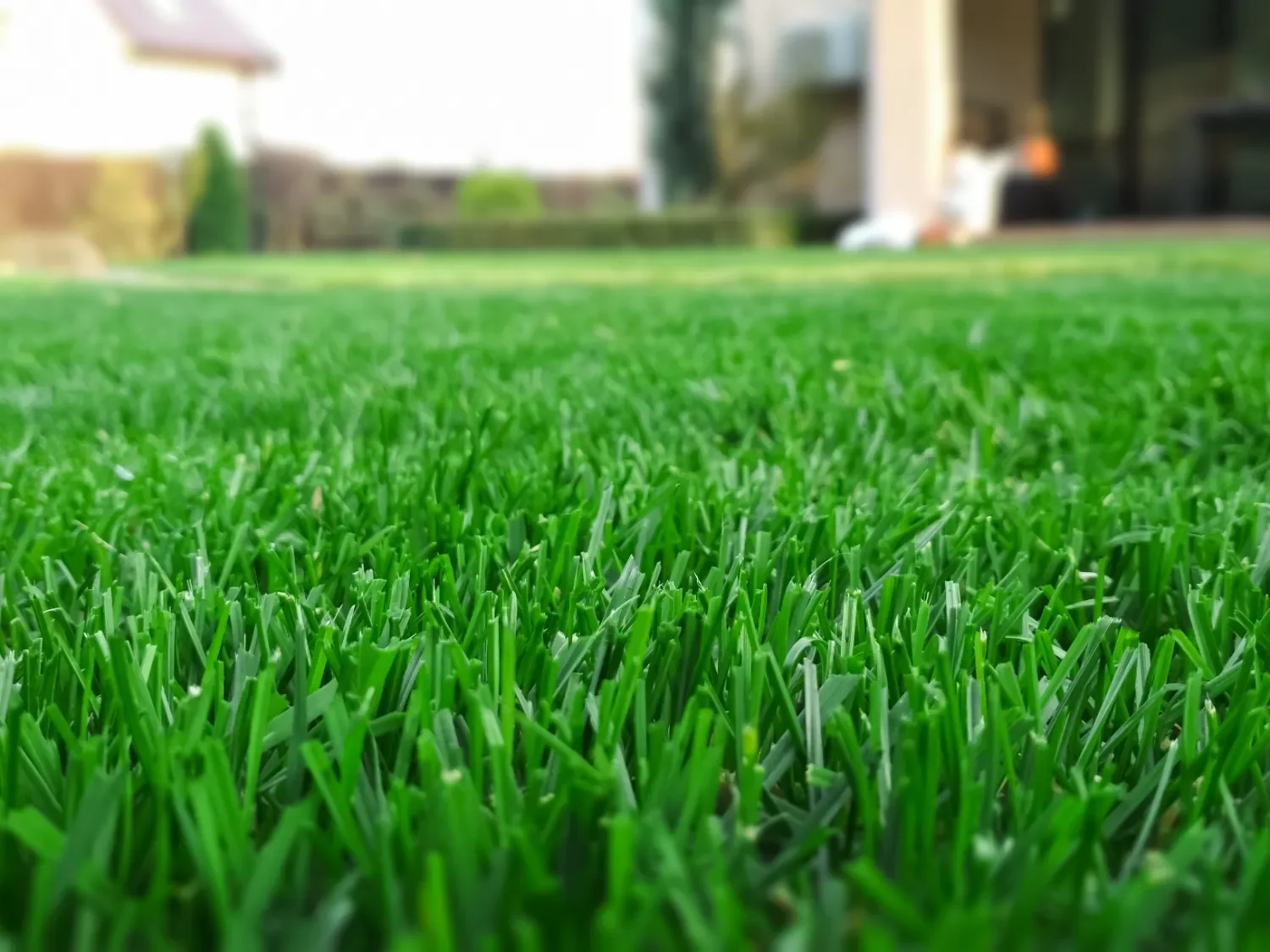
Restore the Health. Renew the Beauty. Refresh the Season.
Lawn Aeration Company in Renton, WA for Aeration & Overseeding
Work With a Lawn Aeration Company That Treats the Soil First

A thriving lawn is the result of care that reaches below the surface.
Heavy clay soil, Pacific Northwest rain, and regular foot traffic compact the ground until roots can't spread and water runs off instead of soaking in, which is why fertilizer and watering stop producing results on an older lawn. Core aeration pulls plugs of soil out of the lawn to open that structure back up, letting air, water, and nutrients reach the root zone. Overseeding immediately afterwards puts fresh seed into direct contact with soil while those channels are still open, which is the difference between grass that fills in and seed that washes away. Aeration and overseeding work alongside lawn care and maintenance and seasonal cleanups to keep turf dense enough to crowd out moss and weeds.

Healthy Roots Begin with Open Ground
When Your Renton Lawn Needs Aeration
Compaction shows itself before you go looking for it. Water pools after rain instead of draining, moss creeps into the thin areas, the lawn thins out along walkways and wherever the dog runs the same line, and a screwdriver pushed into damp soil meets resistance a few inches down. Lawns over clay soil, lawns that got heavy equipment traffic during construction, and lawns more than a few years old are the usual candidates across Renton and the Eastside.
Core aeration addresses it directly:
Encourages deeper root growth and denser turf
Improves drainage and reduces standing water
Helps fertilizer and lime reach the root zone instead of sitting on the surface
Reduces light thatch buildup by introducing soil microbes to the surface layer
Builds resilience through the wet season, when compacted lawns lose ground to moss
Most lawns in this climate benefit from aeration once a year, though heavily used lawns and those over dense clay sometimes need it twice.
Thicker, Greener, and Naturally Balanced
The Role of Overseeding
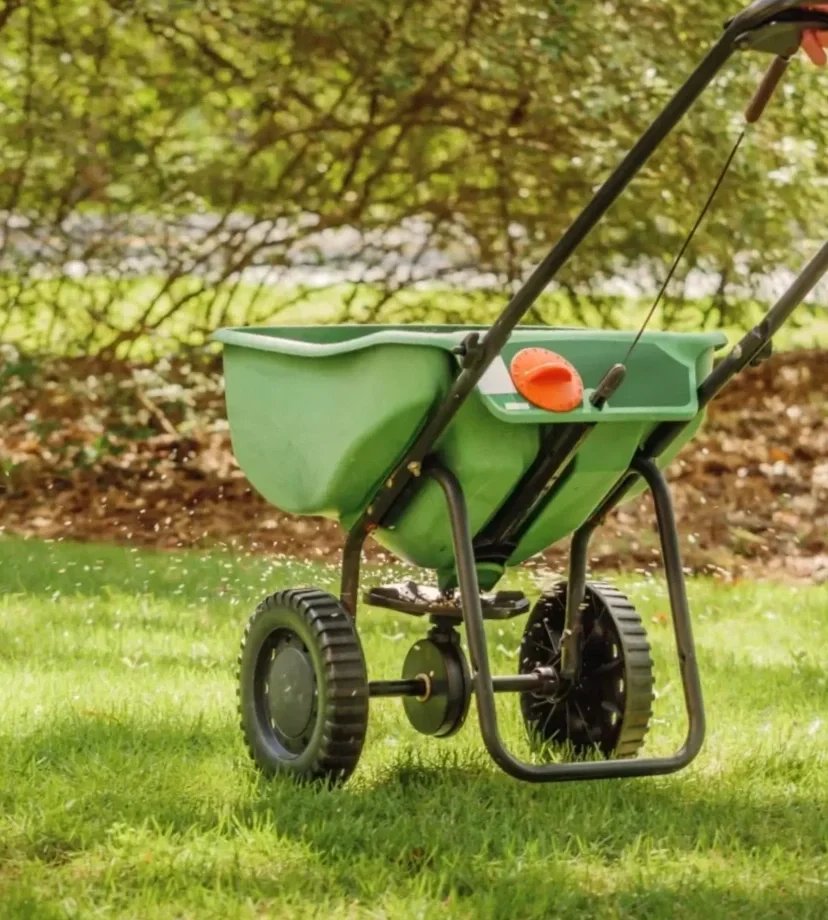
Overseeding immediately after aeration puts fresh seed into the open channels the aerator created, where it makes direct contact with soil instead of sitting on top of thatch. We use blends built for Pacific Northwest conditions, typically perennial ryegrass for fast establishment paired with fine fescues that tolerate the shade cast by Douglas fir and mature landscaping across the Eastside.
What overseeding does:
Thickens and evens out existing turf
Fills bare patches and repairs worn areas along walkways and play zones
Improves color, texture, and density
Introduces newer grass varieties bred for disease resistance
Crowds out moss and weeds by leaving them nowhere to establish
Seed selection depends on sun exposure, soil type, and how your irrigation system covers the property, since new seed needs consistent moisture through germination. Early fall is the strongest window in this climate, with warm soil and reliable rain, though spring works when a lawn can't wait. For lawns too far gone to recover through seed, sod installation delivers an established lawn immediately.

Precision in Every Step
Our Aeration and Overseeding Process for Renton Homes
Step 01
Lawn Assessment
We evaluate turf density, soil condition, grading, and irrigation coverage, then confirm timing. Fall is the strongest window in this climate, and we'll tell you if waiting produces a better result.
Step 02
Core Aeration
A commercial aerator pulls plugs of soil across the entire lawn, with a second pass at a cross angle on heavily compacted areas. Plugs are left to break down naturally, returning soil microbes to the surface where they help decompose thatch.
Step 03
Premium Overseeding
Seed selected for your sun exposure and soil is spread evenly while the aeration channels are still open, which is what gets seed into soil contact rather than resting on the surface.
Step 04
Starter Fertilizer and Watering Plan
A starter fertilizer formulated for new seed goes down immediately after, and you get a watering schedule for the germination period, typically light and frequent for the first two to three weeks rather than the deep soaking an established lawn wants.
Natural Beauty, Thoughtful Care
Built for Renton and Pacific Northwest Lawns

Early fall is the strongest window for aeration and overseeding here, when soil is still warm enough for germination and returning rain keeps new seed moist without daily watering. Spring works when a lawn can't wait, though summer heat arrives before the new grass fully establishes. A lawn aerated on the right schedule needs less intervention overall, since dense turf crowds out moss and weeds on its own rather than requiring treatment after the fact. Not sure when your lawn is due? Read our guide on when to aerate your lawn in the Seattle area.

The First Six Weeks
What to Expect After Aeration and Overseeding
Your lawn looks worse before it looks better. Soil plugs sit on the surface for one to two weeks until rain and mowing break them down, and the lawn appears thin while new seed germinates underneath. Germination starts around seven to fourteen days depending on soil temperature, with meaningful fill-in by week four. Hold off on mowing until the new grass reaches about three inches, skip weed control entirely for the first six weeks since most products prevent seed from establishing, and keep foot traffic light while roots take hold. By the following season the overseeded areas blend into the existing lawn.
Lawn Aeration Questions in Renton, WA
-
Pricing for lawn aeration and overseeding depends on lawn square footage, how accessible the property is for equipment, and whether the lawn needs a single pass or a second pass across compacted areas. Overseeding adds cost based on the seed blend, with shade-tolerant fescue mixes running higher than standard ryegrass. Most homeowners fold aeration into a recurring maintenance program, which prices better than booking it as a standalone visit each fall. We quote after seeing the lawn rather than by phone, since turf density and compaction severity change the scope.
-
Aeration and overseeding solve different problems and are performed together because each makes the other work better. Aeration is mechanical, pulling plugs of soil from the lawn to relieve compaction and open pathways for air, water, and nutrients. Overseeding is agricultural, spreading new grass seed across the lawn to thicken turf and fill thin areas. Done alone, aeration relieves compaction without adding grass, and overseeding drops seed onto compacted ground where much of it never establishes.
-
Lawns with more than roughly half their area bare, heavy moss coverage across the majority of the turf, or severe grading and drainage problems usually need more than seed. In those cases sod installation or a full lawn renovation delivers a better result than paying for overseeding that thin soil won't support. Drainage issues in particular need correcting first, since new seed fails in the same spots the old lawn did. We'll tell you during the assessment if aeration and overseeding isn't the right call rather than selling you a service that won't hold.
-
Aeration and overseeding are available for commercial properties across the Seattle metropolitan area, including HOA common areas, office parks, and campuses with significant turf. Commercial turf compacts faster than residential lawns because of foot traffic volume and mowing frequency, so many properties benefit from annual aeration built into their commercial landscape maintenance agreement. Scheduling is coordinated around your site's usage so equipment isn't running during peak hours.
Book Before the Fall Window Closes
Schedule Lawn Aeration and Overseeding in Renton, WA
Fall booking fills quickly because the window for aeration and overseeding in this climate is genuinely narrow. Get on the schedule while soil is still warm enough for germination and you'll head into spring with turf dense enough to hold its own against moss. We'll assess the lawn, confirm whether aeration is the right call, and quote the work before anything starts. Homeowners across Renton, Bellevue, and the greater Seattle area keep us on an annual rotation because a lawn aerated on schedule stops needing rescue.